Showing posts with label ishmael. Show all posts

Seven of Pentacles


Meaning: Harvest, rewards, result. (Labyrinthos)

Depiction: Three boats in tandem tow a vanquished whale by night; Ishmael, rowing, looks behind him at their harvest. The boats are studded with seven doubloons.

Text: Chapter  64- Stubb's Supper
Stubb’s whale had been killed some distance from the ship. It was a calm; so, forming a tandem of three boats, we commenced the slow business of towing the trophy to the Pequod.

 Comments: There's so much ink devoted to  harvesting different parts of the whale in Moby Dick, but I wanted to focus on the immediate aftermath of the hunt for the purpose of this card.
File:FMIB 36333 Towing the Whale Home- In sperm whaling the catch ...

Six of Pentacles


:

Meaning: Generosity, ability to receive help

Depiction: In their room at The Spouter Inn, Queequeg has two piles of silver on the table, and pushes one toward Ishmael, who looks surprised and grateful. Six gold doubloons hang on the wall in the background.

Text: Chapter 10 - A Bosom Friend
He made me a present of his embalmed head; took out his enormous tobacco wallet, and groping under the tobacco, drew out some thirty dollars in silver; then spreading them on the table, and mechanically dividing them into two equal portions, pushed one of them towards me, and said it was mine. I was going to remonstrate; but he silenced me by pouring them into my trowsers’ pockets. I let them stay.


Gold dollar - Wikipedia

Comments: Without a doubt, Queequeg is the most generous character in the book, which this passage clearly demonstrates. In contrast, Captain Ahab's monomania doesn't allow for magnanimity, though he has moments of kindness and empathy, as shown in his interactions with Starbuck and Pip.

Five of Pentacles


Meaning: A test of resources, adversity.

Depiction: Ishmael is trudging along on a snowy street with his carpet bag, body bent against the cold wind, looking for an inn he can afford. His hand is in his pocket clutching his last pieces of silver. He is walking past a wall with a  brightly painted sign featuring five doubloons.

Text:  Chapter 2 - The Carpet-Bag
Now having a night, a day, and still another night following before me in New Bedford, ere I could embark for my destined port, it became a matter of concernment where I was to eat and sleep meanwhile. It was a very dubious-looking, nay, a very dark and dismal night, bitingly cold and cheerless. I knew no one in the place. With anxious grapnels I had sounded my pocket, and only brought up a few pieces of silver,—So, wherever you go, Ishmael, said I to myself, as I stood in the middle of a dreary street shouldering my bag, and comparing the gloom towards the north with the darkness towards the south—wherever in your wisdom you may conclude to lodge for the night, my dear Ishmael, be sure to inquire the price, and don’t be too particular.

New York City Snow - nycphoto
Photo by Vivienne Gucwa

Comments: The church window on the original RWS card could be substituted for the painted sign with doubloons, as Ishmael does pass "a negro church" on his wanderings; I  decided not to follow the original card that closely.

Three of Pentacles


Meaning: The coming together of different kinds of knowledge in order to build something together (Labyrinthos)

Depiction: Under a night sky, the three harpooners Tashtego, Daggoo and Queequeg are stoking the fires of the try-works while supervised by Stubb. In the background, at the helm of the ship, Ishmael has the tiller turned backwards (sternwards) as he gazes, mesmerized, at the flames. There is a doubloon figure  etched on each of the three try-pots.

Text: Chapter 96 - The Try-Works
Standing on this were the Tartarean shapes of the pagan harpooneers, always the whale-ship’s stokers. With huge pronged poles they pitched hissing masses of blubber into the scalding pots, or stirred up the fires beneath, till the snaky flames darted, curling, out of the doors to catch them by the feet.

***
Convulsively my hands grasped the tiller, but with the crazy conceit that the tiller was, somehow, in some enchanted way, inverted. My God! what is the matter with me? thought I. Lo! in my brief sleep I had turned myself about, and was fronting the ship’s stern, with my back to her prow and the compass. In an instant I faced back, just in time to prevent the vessel from flying up into the wind, and very probably capsizing her.
The try works | New bedford, Boat art, Whale

Comments: This is a good chapter for showcasing the different roles for the crew as they work together.  Except Ishmael, whose job is apparently losing himself in reveries, as usual.

Four of Swords


Meaning: Rest and quiet time.
Depiction: Ishmael sleeps in his hammock in the forecastle. Three lances lean against the wall near him, a fourth is beside him on the floor.
Text: Chapter 35- The Mast- Head
The tranced ship indolently rolls; the drowsy trade winds blow; everything resolves you into languor. For the most part, in this tropic whaling life, a sublime uneventfulness invests you; you hear no news; read no gazettes; extras with startling accounts of commonplaces never delude you into unnecessary excitements; you hear of no domestic afflictions; bankrupt securities; fall of stocks; are never troubled with the thought of what you shall have for dinner—for all your meals for three years and more are snugly stowed in casks, and your bill of fare is immutable.
Comments: This chapter is about Ishmael standing at the mast-head for hours at a time. But this text really captures the general monotony of  long whaling journeys, and the restful aspect of this card.

Below, I'm linking The Pacific (also based on Chapter 35), from Dave Malloy's Moby-Dick: A Reckoning. A peaceful, yet depressing song, apparently a duet between Ishmael and Queequeg.


Knight of Cups


Meaning: A love prospect, and even a proposal.

Depiction: Just as described in the book, Queequeg presses his forehead to Ishmael's and embraces him. They stand behind a table with one cup on it.

Text: Chapter 10- A Bosom Friend
He seemed to take to me quite as naturally and unbiddenly as I to him; and when our smoke was over, he pressed his forehead against mine, clasped me round the waist, and said that henceforth we were married; meaning, in his country’s phrase, that we were bosom friends; he would gladly die for me, if need should be.


Crude 5-minute sketch that I am sure I will regret sharing; it gives the general idea.


And here's Matt Kish's version of this scene, from Moby Dick in Pictures (2011). A little different than the way I imagined it, as Queequeg and Ishmael are at arm's length. 
Comments: I have a lot to say about this one.  Some critics have expressed incredulity that Melville openly included a homoerotic friendship  in Moby Dick at a time when homosexual identity was not recognized, and homosexual behavior was subject to criminal penalties.  Yet he found a way to do it.  He wrote long passages demonstrating how Queequeg is completely alien in all ways to Ishmael: from the other side of the world, from a different culture and race, of an unfamiliar pagan religion, of what seem to him outlandish and peculiar habits (freezing in prayer for long periods, shaving with his harpoon, hiding under the bed to put his shoes on, etc). Queequeg's easy physical intimacy with Ishmael is passed off to the mainstream Victorian reader as just part and parcel of his "odd" foreign ways. Indeed, Ishmael admits that he would be wary of such advances from a fellow white Christian American, say, Bulkington:

In a countryman, this sudden flame of friendship would have seemed far too premature, a thing to be much distrusted; but in this simple savage those old rules would not apply. (Ch. 10)

I credit this perspective to my reading of Emma Rantatolo's masters thesis:  "A Cosy, loving pair"?- The Elusion of Definitions of Queequeg and Ishmael's Relationship in Herman Melville's Moby-Dick (2018).

Page of Cups

Meaning: The unexpected inspiration that comes to us from the unconscious. (Labyrinthos)

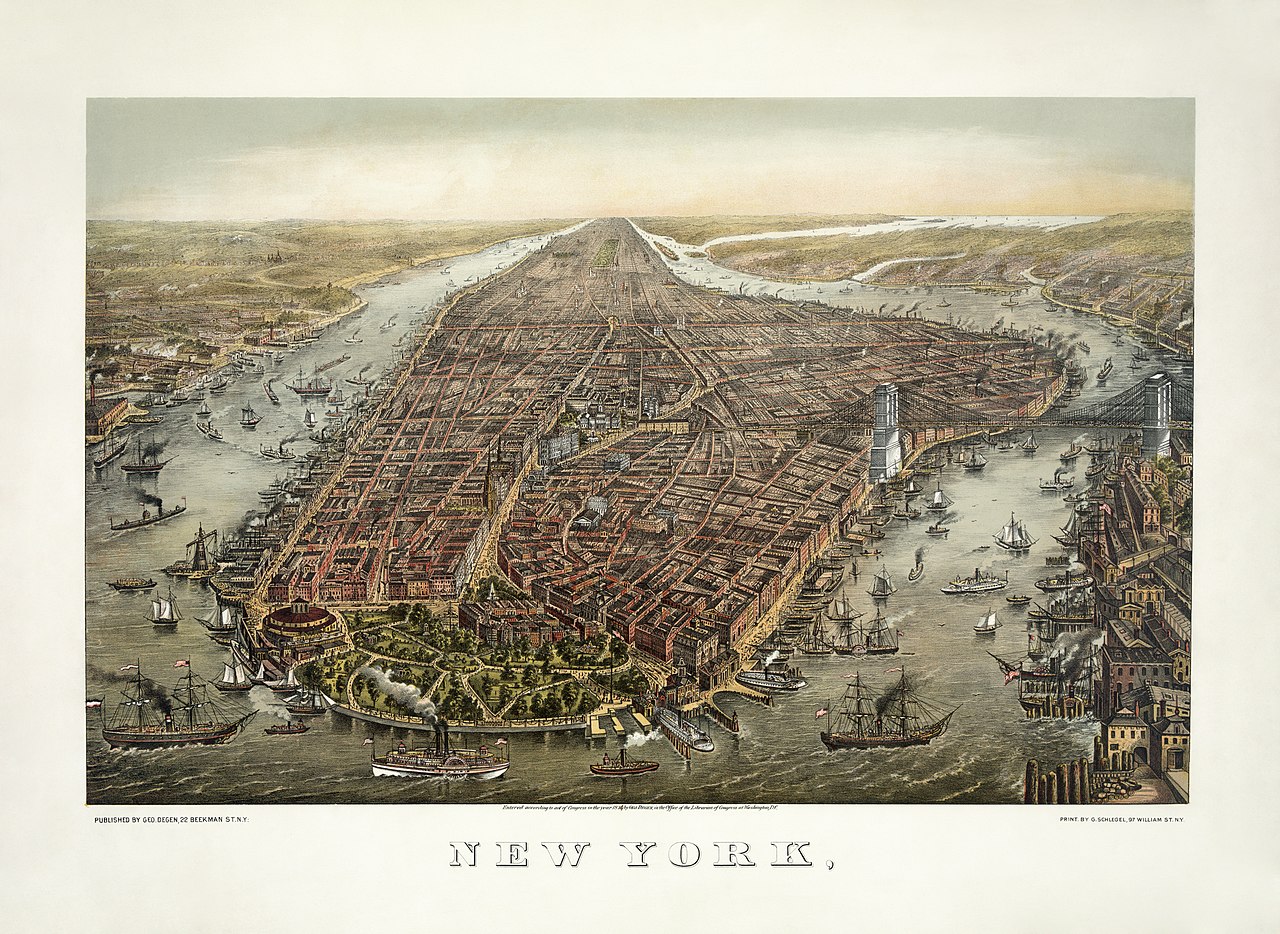
Image: Ishmael stands among crowds of people in the "insular city of the Manhattoes" (Manhattan) at the edge of the wharf, looking out at the water. He holds a cup in his hand and carries his carpet bag in the other.

Text: Chapter 1- Loomings
Posted like silent sentinels all around the town, stand thousands upon thousands of mortal men fixed in ocean reveries. Some leaning against the spiles; some seated upon the pier-heads; some looking over the bulwarks of ships from China; some high aloft in the rigging, as if striving to get a still better seaward peep. But these are all landsmen; of week days pent up in lath and plaster—tied to counters, nailed to benches, clinched to desks. How then is this? Are the green fields gone? What do they here?

But look! here come more crowds, pacing straight for the water, and seemingly bound for a dive. Strange! Nothing will content them but the extremest limit of the land; loitering under the shady lee of yonder warehouses will not suffice. No. They must get just as nigh the water as they possibly can without falling in.

History of New York City - Wikipedia


Comments:
 Not an important part of the book, but this passage is the first confirmation that the sea is Ishmael's chief source of inspiration and motivation.


Nine of Cups


Meaning: Happiness
Depiction: Queequeg and Ishmael sit on a bench before a table at the Spouter Inn, a fire burning in the fireplace behind them. Queequeg has been turning the pages of a book but looks quizzically over at Ishmael, who sits near him, his arms wrapped around his knees.  Ishmael looks back at Queequeg, smiling. Nine cups are lined up on the mantel above the fireplace.

Text:  Chapter 10, A Bosom Friend

As I sat there in that now lonely room; the fire burning low, in that mild stage when, after its first intensity has warmed the air, it then only glows to be looked at; the evening shades and phantoms gathering round the casements, and peering in upon us silent, solitary twain; the storm booming without in solemn swells; I began to be sensible of strange feelings. I felt a melting in me. No more my splintered heart and maddened hand were turned against the wolfish world. 


Couple Holding Hands Near the : video stock a tema (100% royalty ...


Comments:
I really try to vary these cards in terms of chapters and characters... but when these satisfaction and happiness cards come up, I return to the early days of Ishmael and Queequeg, who have the most positive mutual relationship of any characters in the book. Stubb claims to take everything as a joke, but there's a maliciousness to him which makes his humor seem rather passive-aggressive rather than borne from happiness and contentment.

Seven of Cups


Meaning: Choices, opportunities

Depiction:  Down in Nantucket harbor, Ishmael chooses a ship to sign on with. Just like in the RWS card, he has his back to the viewer. Seven ships are before him in the harbor, each with a cup lashed to its side. The Pequod is in the center, with a glowing aura around it.

Text: Chapter 16- The Ship
After much prolonged sauntering and many random inquiries, I learnt that there were three ships up for three-years’ voyages—The Devil-dam, the Tit-bit, and the Pequod. Devil-Dam, I do not know the origin of; Tit-bit is obvious; Pequod, you will no doubt remember, was the name of a celebrated tribe of Massachusetts Indians; now extinct as the ancient Medes. I peered and pryed about the Devil-dam; from her, hopped over to the Tit-bit; and finally, going on board the Pequod, looked around her for a moment, and then decided that this was the very ship for us.
Vintage Ad #1,000: Choosing a Ship With Care | Source: The A… | Flickr

Comments: The only other scene that would be a match for this card is that in Chapter 99, in which Stubb and Flask talk about what they'd do with the gold. But this one is really a better fit because a real choice is actually made.

Five of Cups


Meaning: Loss, leaving, and sorrow.

Depiction: After the wreck and disappearance of the Pequod, a  bereft Ishmael floats in the sea, clinging to Queequeg's coffin.  Three cups float on the waves, two are balanced on the coffin.. In the distance, behind Ishmael, we see the approaching Rachel.

Text: Epilogue
Buoyed up by that coffin, for almost one whole day and night, I floated on a soft and dirgelike main. 

Stephen Costello as Greenhorn (Ishmael) in the SF Opera's production of Moby Dick


Comments: The epilogue is remarkably terse and abrupt compared to all the prose that has gone before it. Perhaps Ishmael (or Melville) was too exhausted for his usual lengthy speculation. I liked the closure provided at the end of Jake Heggie's opera Moby-Dick, in which Captain Gardiner asks Ishmael, "Is Ahab dead?" and Ishmael replies, "Ahab is dead. And Starbuck. And Stubb. And Flask....and Queequeg." I am not sure if the pause at the end is a correct memory, but it is sung with such intense feeling.

 “Epilogue” from  Moby-Dick
A version of the Epilogue from American Renaissance Tarot, with shards of the wrecked  Pequod  serving as pips.

Four of Cups


Meaning: Contemplation, looking inward (Biddy Tarot); inability to see what is in front of you (Labyrinthos).

Depiction: Ishmael  carefully observes the murky nautical painting  in the entryway at the Spouter-Inn, attempting to decipher it.  Behind him, the three pewter cups of the suit hang on the wall; a fourth cup is visible in the painting if you look carefully.

Text: Chapter 3- The Spouter-Inn.
But what most puzzled and confounded you was a long, limber, portentous, black mass of something hovering in the centre of the picture over three blue, dim, perpendicular lines floating in a nameless yeast. A boggy, soggy, squitchy picture truly, enough to drive a nervous man distracted. Yet was there a sort of indefinite, half-attained, unimaginable sublimity about it that fairly froze you to it, till you involuntarily took an oath with yourself to find out what that marvellous painting meant. 


Whalers -1- by Joseph Mallord Turner - Joseph Mallord Turner
Whalers 1 by J. M. Turner (1884)
Comments: In the book, the wall behind Ishmael is "hung all over with a heathenish array of monstrous clubs and spears;" I'm taking some artistic liberties by putting some cups there instead.

Two of Cups


Meaning: Close bond between two people, equal partnership (Labryrinthos)

Depiction:  As part of the whale-processing scheme, Ishmael on the ship is tethered to Queequeg who is in the ocean on the back of a dead whale, holding on to a hook in the whale which is chained to the ship. There is a cup balanced on the bulwark next to Ishmael, and one on top of the whale next to Queequeg.

Text: Chapter 72 - The Monkey-Rope
Being the savage’s bowsman, that is, the person who pulled the bow-oar in his boat (the second one from forward), it was my cheerful duty to attend upon him while taking that hard-scrabble scramble upon the dead whale’s back. You have seen Italian organ-boys holding a dancing-ape by a long cord. Just so, from the ship’s steep side, did I hold Queequeg down there in the sea, by what is technically called in the fishery a monkey-rope, attached to a strong strip of canvas belted round his waist.
It was a humorously perilous business for both of us. For, before we proceed further, it must be said that the monkey-rope was fast at both ends; fast to Queequeg’s broad canvas belt, and fast to my narrow leather one. So that for better or for worse, we two, for the time, were wedded; and should poor Queequeg sink to rise no more, then both usage and honor demanded, that instead of cutting the cord, it should drag me down in his wake. So, then, an elongated Siamese ligature united us. Queequeg was my own inseparable twin brother; nor could I any way get rid of the dangerous liabilities which the hempen bond entailed.

Comments:  In the book scene, we also have Daggoo and Tashtego hanging off the side of the ship, keeping the sharks away from Queequeg and the dead whale  with their spades. I am omitting them from this card to keep the emphasis on the dyad of Queequeg and Ishmael. Queequeg is also described as wearing "the Highland costume- a shirt and socks." (And apparently he wore it well, as an admiring Ishmael makes sure to note, "in which to my eyes at least, he appeared to uncommon advantage.") This is how he should be depicted, though socks would surely become soaked and abrasive to one standing on the back of a slippery whale.

Ace of Cups

Meaning: The awakening of new feelings (Labyrinthos); deep feelings and intimacy (Learn Tarot).

Depiction: Instead of one hand holding the cup, we see a number of hands reaching into the cup and two in the center (from Queequeg and Ishmael) grasping each other. The hands are a variety of skin tones representing the ethnic diversity of the Pequod crew.   As with the RWS card, there are five streams of liquid pouring out of the sides of the cup. These are said to represent the five senses. (Wikipedia)

Text: Chapter 94 - A Squeeze of the Hand
Squeeze! squeeze! squeeze! all the morning long; I squeezed that sperm till I myself almost melted into it; I squeezed that sperm till a strange sort of insanity came over me; and I found myself unwittingly squeezing my co-laborers’ hands in it, mistaking their hands for the gentle globules. Such an abounding, affectionate, friendly, loving feeling did this avocation beget; that at last I was continually squeezing their hands, and looking up into their eyes sentimentally; as much as to say,—Oh! my dear fellow beings, why should we longer cherish any social acerbities, or know the slightest ill-humor or envy! Come; let us squeeze hands all round; nay, let us all squeeze ourselves into each other; let us squeeze ourselves universally into the very milk and sperm of kindness.


 “A Squeeze of the Hand” from  Moby-Dick
Another take on this scene, from the American Renaissance Tarot.


Comments: This scene was an obvious choice for this card, given the feeling of universal love that envelops  Ishmael when engaged in this task. In the unlikely event that anyone who is reading this  hasn't read Moby Dick,  the "sperm" referred to here is spermaceti from the head of the sperm whale, though no doubt Melville intended the double meaning.

Video: A Squeeze of the Hand by Dave Malloy from the play Moby Dick: A Musical Reckoning

Knight of Wands


Meaning: Passion, desire, ambition. The call to action that began with the Page of Wands goes further to implementation with this card.

Depiction: Embarking on the first stage of his  seaward journey, Ishmael with Queequeg is now aboard the Moss, bound from New Bedford to Nantucket via the Acushnet River. as described in the text below. Queequeg holds his harpoon. (In terms of the original RWS card, the knight's horse is the ship).

Text: Chapter 13 - Wheelbarrow
At last, passage paid, and luggage safe, we stood on board the schooner. Hoisting sail, it glided down the Acushnet river. On one side, New Bedford rose in terraces of streets, their ice-covered trees all glittering in the clear, cold air. Huge hills and mountains of casks on casks were piled upon her wharves, and side by side the world-wandering whale ships lay silent and safely moored at last; while from others came a sound of carpenters and coopers, with blended noises of fires and forges to melt the pitch, all betokening that new cruises were on the start; that one most perilous and long voyage ended, only begins a second; and a second ended, only begins a third, and so on, for ever and for aye. Such is the endlessness, yea, the intolerableness of all earthly effort.


Acushnet River – History Spoken Here
View of New Bedford from the Acushnet River

Comments: Ishmael and Queequeg are turning up a lot in this suit, as they will in the suit of Cups.

Page of Wands


Meaning: Curiosity and excitement- a trigger to make discoveries or advance in life. (Labyrinthos)

Depiction: In a scene that is only implied in Moby Dick, Ishmael as schoolteacher walks decisively out of his empty classroom, carpet bag in hand. There is a framed photo of a harpoon on the wall.

Text: Chapter 1- Loomings
The transition is a keen one, I assure you, from a schoolmaster to a sailor, and requires a strong decoction of Seneca and the Stoics to enable you to grin and bear it. But even this wears off in time.

19th Century Classroom

Comments: This card reminded me so much of Ishmael, yet it would have to be an Ishmael before he became the Fool setting off on his journey to the sea. It would be right when he realizes his hypos are getting the upper hand and it's high time to go to sea.

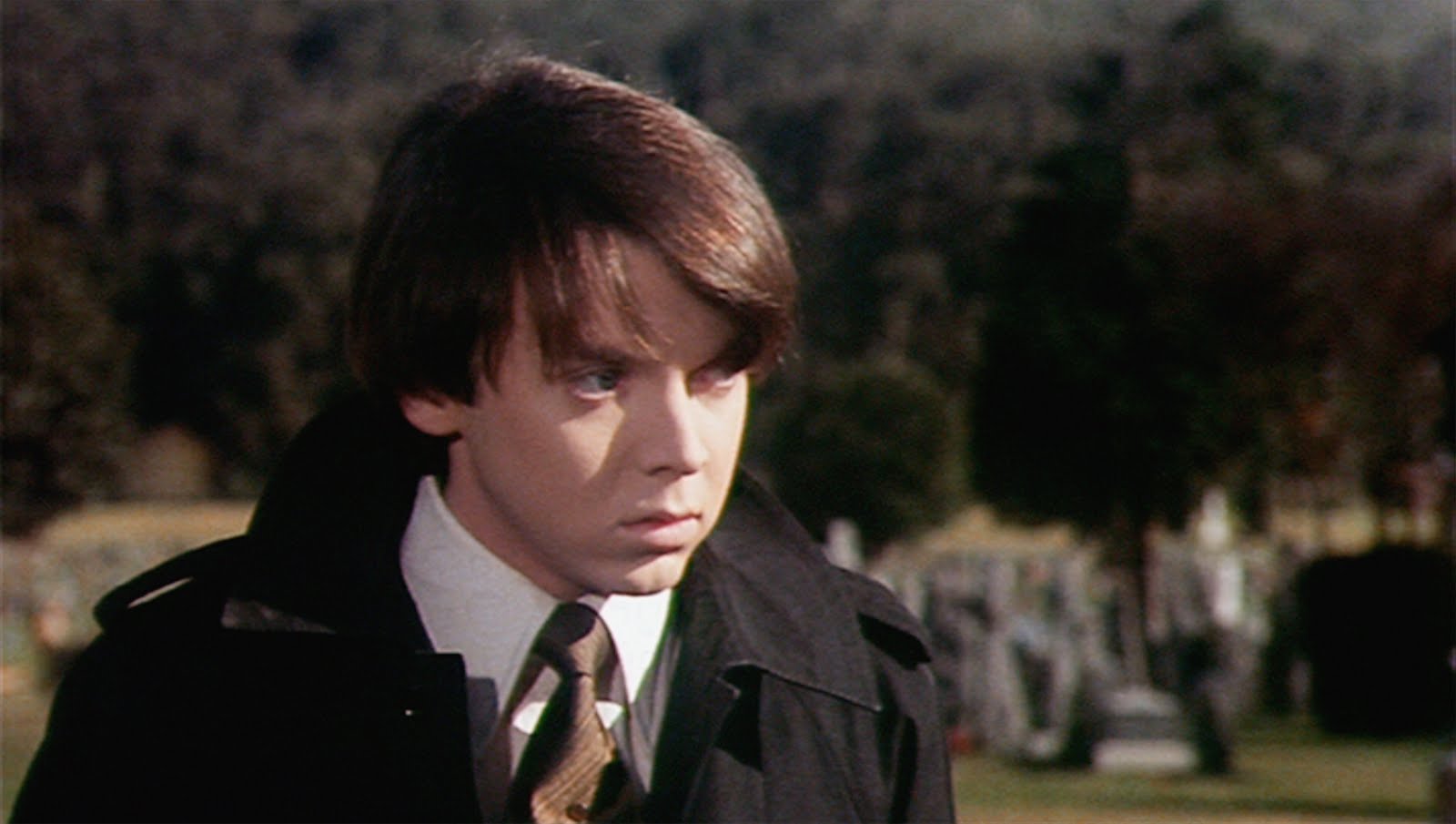
Pictures of Bud Cort - Pictures Of Celebrities
I swear, whenever I read that first paragraph I think of Harold and Maude.

Four of Wands


Meaning: Freedom, creativity, and domestic happiness.

Depiction: On a calm day, Queequeg and Ishmael weave a rope sword mat together on the quarterdeck, Ishmael sitting and Queequeg standing beside him. Four harpoons lean against the bulwark behind them.

Text: Chapter 47- The Mat-Maker
It was a cloudy, sultry afternoon; the seamen were lazily lounging about the decks, or vacantly gazing over into the lead-coloured waters. Queequeg and I were mildly employed weaving what is called a sword-mat, for an additional lashing to our boat. So still and subdued and yet somehow preluding was all the scene, and such an incantation of reverie lurked in the air, that each silent sailor seemed resolved into his own invisible self.

I was the attendant or page of Queequeg, while busy at the mat. As I kept passing and repassing the filling or woof of marline between the long yarns of the warp, using my own hand for the shuttle, and as Queequeg, standing sideways, ever and anon slid his heavy oaken sword between the threads, and idly looking off upon the water, carelessly and unthinkingly drove home every yarn: I say so strange a dreaminess did there then reign all over the ship and all over the sea, only broken by the intermitting dull sound of the sword, that it seemed as if this were the Loom of Time, and I myself were a shuttle mechanically weaving and weaving away at the Fates. 


File:Weaving a Mat (BOND 0032).jpeg - Wikimedia Commons

Comments:  Although Ishmael indulges in the grand fantasy that he and Queequeg are weaving fate at the Loom of Time, really they haven't been captains of their own destiny since they boarded the Pequod.  This small moment together is probably the most domestic they get the entire time they're at sea.

The American Renaissance Tarot version of this card is Chapter 94 - A Squeeze of the Hand! An interesting choice and the way it is portrayed is true to the spirit of the card meaning.

XXI. The World


Meaning: Completion, success, reward and joy.

Depiction: Older Ishmael, after the events of the book, stands on a beach. This is not the Atlantic shore that he departed at the beginning, but a tropical clime, as you can see by palms in the background.  You can tell he is more experienced; his body is more muscular,  his face slightly lined, his stance is confident, and his forearm is tattooed with a whale skeleton. He faces the ocean, but stands in the opposite direction which he stood as The Fool. It's clear he's about to go to sea again, but it's a new journey.

Text: Chapter 102: A Bower in the Arsacides, and other chapters which refer to older Ishmael.

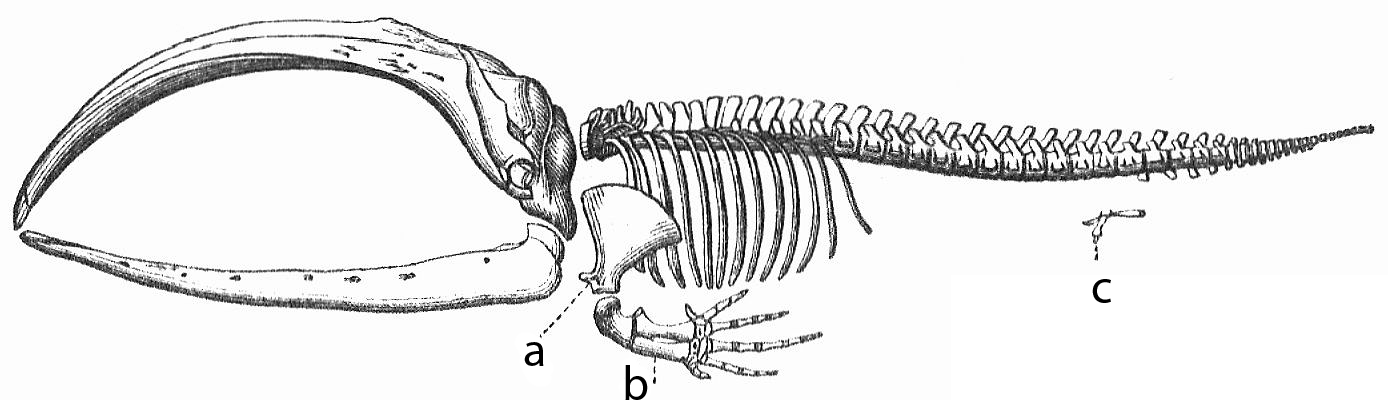
The skeleton dimensions I shall now proceed to set down are copied verbatim from my right arm, where I had them tattooed; as in my wild wanderings at that period, there was no other secure way of preserving such valuable statistics. But as I was crowded for space, and wished the other parts of my body to remain a blank page for a poem I was then composing—at least, what untattooed parts might remain—I did not trouble myself with the odd inches; nor, indeed, should inches at all enter into a congenial admeasurement of the whale.


File:Whale skeleton.png - Wikimedia Commons


Comments:
When I read Robin Van Glider's The Beige Moth blog that recaps and discusses Moby Dick, I realized that Ishmael is really two characters: the novice whaler who is a character in the narrative, and the older, wiser sailor who writes it. For all the tragedy in the final chapter, Moby Dick's true ending is more bittersweet. From the biographical bits buried in preceding chapters, we see that Ishmael not only survives, but thrives after his rescue. He has known great sorrow, but also experienced passionate joy and requited love. He has travelled all over the world, and delights in recounting his sea tales to new friends. He's now an old hand at whaling, but is still the lovable literary nerd who writes poetry and continues to be obsessed with everything relating to whales. In short, he is a man in full.

NEXT UP: The Minor Arcana, starting with the Ace of Wands.

XV. The Devil

 
.
Meaning: Enslavement, temptation. And from A.E. Waite: fatality, that which is predestined but is not for this reason evil.

Depiction: The Devil figure here is Ahab. One hand brandishes his flaming lightning-struck harpoon; the other holds a length of rope which is tied loosely around the necks of the crew of the Pequod, like the chains in the RWS card.  We can distinctly see Queequeg and Ishmael in the front, mirroring the couple on the original card (who are also meant to represent The Lovers).

Text: Chapter 119- The Candles

But dashing the rattling lightning links to the deck, and snatching the burning harpoon, Ahab waved it like a torch among them; swearing to transfix with it the first sailor that but cast loose a rope’s end. Petrified by his aspect, and still more shrinking from the fiery dart that he held, the men fell back in dismay, and Ahab again spoke:—

“All your oaths to hunt the White Whale are as binding as mine; and heart, soul, and body, lungs and life, old Ahab is bound. And that ye may know to what tune this heart beats; look ye here; thus I blow out the last fear!” And with one blast of his breath he extinguished the flame.


Comments: Another card that fits Moby Dick so well. Ahab has the fate of the entire crew in his hands, and he has persuasively bound them to his monomaniacal quest to avenge himself against Moby Dick. The sailors are fatalistic; Ishmael writes his will, Starbuck cannot stir himself to active resistance.
HD wallpaper: distress, forward, ship, sea, storm, ocean, lake ...


XII. The Hanged Man


Meaning: Waiting, sacrifice, and enlightenment.

Depiction: Ishmael playfully hanging in the rigging on a slow day, showing off his balancing skills.

Text:  Chapter 35- The Mast Head. Ishmael admits that he "kept a sorry guard" and spent his  much of his watch time dreaming atop the mast.

For one, I used to lounge up the rigging very leisurely, resting in the top to have a chat with Queequeg, or anyone else off duty who I might find there; then ascending a little way further, and throwing a lazy leg over the topsail yard, take a preliminary view of the watery pastures, and so at last mount to my ultimate destination.

Comments: Waiting is also a good way to describe Ishmael. He takes a very passive role of chronicler; nothing he does influences the fate of the Pequod.

Ishmael and Queequeg hanging out in the rigging, posted by madebyken on Tumblr, 2013. Unclear if "Ken" is the original artist- if not, I will credit here once known.


V. The Lovers


Meaning:  Love and relationships, decisions

Depiction: Queequeg and Ishmael in their bed at the Spouter Inn, facing each other, deep in intimate conversation. Behind their bed is a window through which we see the stormy sea, and from that the distant form of a leaping whale. As whaling is what brings these two men together, the image of the whale here stands in for the angel in the original RWS card, who is meant to be the priest who unites the two figures in marriage. And indeed, they are "henceforth" declared married by Queequeg in Chapter 10, and described as "wedded" again in Chapter 72 (The Monkey-Rope).


My husband decided to illustrate this card. He was aiming at depicting a rather dreamlike state rather than the bed at the Spouter Inn. Also, doesn't Ishmael look like Kris Kristofferson here?  

Moby Dick — writing about sex — novelist's thoughts: Rachel ...
Illustration from Moby Dick, Rockwell Kent, 1930

Text: Chapter 10- A Bosom Friend;  and Chapter 11- Nightgown

How it is I know not; but there is no place like a bed for confidential disclosures between friends. Man and wife, they say, there open the very bottom of their souls to each other; and some old couples often lie and chat over old times till nearly morning. Thus, then, in our hearts’ honeymoon, lay I and Queequeg—a cosy, loving pai
r.

Illustration by David Peloquin, date unknown.
Comments:  There is a perennial debate about whether Ishmael and Queequeg's relationship was meant to be romantic or simply deep, non-erotic kinship. In a tarot reading, this card could be either, especially since not all persons seeking a reading are in a love relationship or looking for romance.  However,  there is no shortage of textual and biographical information to suggest that Melville really did intend to imply a physical as well as intellectual relationship between these characters- the love he longed for, but dared not express, at least not openly.
From that hour I clove to Queequeg like a barnacle. Ch. 13- Wheelbarrow/Moby Dick (2011) Starz-Encore